I cannot emphasize enough how much you need to read thoroughly through the terms of any publication before you send your writing to them. It is mandatory that you know and understand what rights you’re giving away when you’re trying to get published.
Just the other day I was emailed by a relatively new indie journal looking for writers. They made it very clear that they did not pay writers for their work, so I figured I’d probably be passing, but I took a look at their Copyright policy out of curiosity and it was a nightmare. They wanted “non-exclusive, irrevocable, royalty-free, perpetual, worldwide license and right to use, display, reproduce, distribute, and publish the Work on the internet and on or in any medium” (that’s copy and pasted btw) and that was the first of 10 sections on their Copyright agreement page. Yikes. That’s exactly the type of publishing nightmare you don’t want to be trapped in.
Most journals will ask for “First North American Rights” or a variation on “First Rights” which operate under the assumption that all right revert back to you and they only have the right to be the first publishers of the work. That is what you need to be looking for because you do want to retain all the rights to your work.
You want all rights to revert back to you upon publication in case you, say, want to publish it again in the future or use it for a bookmark or post it on your blog, or anything else you might want to do with the writing you worked hard on. Any time a publisher wants more than that, be very suspicious. Anyone who wants to own your work forever and be able to do whatever they want with it without your permission is not to be trusted. Anyone who wants all that and wants you to sign away your right to ever be paid for your work is running a scam.
Protect your writing. It’s not just your intellectual property, it’s also your baby. You worked hard on it. You need to do the extra research to protect yourself so that a scammer (or even a well meaning start up) doesn’t
steal you work right from under you nose and make money off of it.
Exclusive publishing rights have to have a set time frame! Do not agree to anything that doesn’t clearly state “up to five years from signature” or something like that.
What if the publisher goes defunct? What if they get bought by another publisher who doesn’t care to promote or publish your work? You still can’t to anything with it, you don’t own it anymore!
Do an
outline, whatever way works best.
Get yourself out of the word soup and know where the story is headed.
Conflicts
and obstacles. Hurt the protagonist, put things in their way, this keeps
the story interesting. An easy journey makes the story boring and boring is
hard to write.
Change
the POV. Sometimes all it takes to untangle a knotted story is to look at
it through different eyes, be it through the sidekick, the antagonist, a minor
character, whatever.
Know the
characters. You can’t write a story if the characters are strangers to you.
Know their likes, dislikes, fears, and most importantly, their motivation. This makes the path clearer.
Fill in
holes. Writing doesn’t have to be linear; you can always go back and fill in plotholes,
and add content and context.
Have
flashbacks, hallucinations, dream sequences or foreshadowing events. These
stir the story up, deviations from the expected course add a feeling of urgency
and uncertainty to the narrative.
Introduce
a new mystery. If there’s something that just doesn’t add up, a big question mark, the story becomes more
compelling. Beware: this can also cause you to sink further into the mire.
Take
something from your protagonist. A weapon, asset, ally or loved one. Force
him to operate without it, it can reinvigorate a stale story.
Twists
and betrayal. Maybe someone isn’t who they say they are or the protagonist
is betrayed by someone he thought he could trust. This can shake the story up
and get it rolling again.
Secrets. If
someone has a deep, dark secret that they’re forced to lie about, it’s a good
way to stir up some fresh conflict. New lies to cover up the old ones, the
secret being revealed, and all the resulting chaos.
Kill
someone. Make a character death that is productive to the plot, but not “just because”. If done well, it affects
all the characters, stirs up the story and gets it moving.
Ill-advised
character actions. Tension is created when a character we love does
something we hate. Identify the thing the readers don’t want to happen, then
engineer it so it happens worse than they imagined.
Create cliff-hangers. Keep the readers’ attention by putting the characters into new problems and
make them wait for you to write your way out of it. This challenge can really
bring out your creativity.
Raise the
stakes. Make the consequences of failure worse, make the journey harder.
Suddenly the protagonist’s goal is more than he expected, or he has to make an
important choice.
Make the
hero active. You can’t always wait for external influences on the
characters, sometimes you have to make the hero take actions himself. Not
necessarily to be successful, but active
and complicit in the narrative.
Different
threat levels. Make the conflicts on a physical level (“I’m about to be
killed by a demon”), an emotional level (“But that demon was my true love”) and
a philosophical level (“If I’m forced to kill my true love before they kill me,
how can love ever succeed in the face of evil?”).
Figure
out an ending. If you know where the story is going to end, it helps get
the ball rolling towards that end, even if it’s not the same ending that you
actually end up writing.
What if?
What if the hero kills the antagonist now, gets captured, or goes insane? When
you write down different questions like these, the answer to how to continue the
story will present itself.
Start
fresh or skip ahead. Delete the last five thousand words and try again. It’s
terrifying at first, but frees you up for a fresh start to find a proper path. Or
you can skip the part that’s putting you on edge – forget about that fidgety
crap, you can do it later – and write the next scene. Whatever was in-between
will come with time.
imagine a crocodile with horse-like legs… unstoppable… i would love to ride one o’ those into battle
are you..high
….carry on
Fun fact these ‘crocodile cousins’ with ‘horse-like legs’ existed and was known as a ‘sabre-toothed cat in armour’ due to it’s speed out of water and long fangs. There was the ‘DogCroc’ ( Araripesuchus wegeneri) and ‘BoarCroc’ (Kaprosuchus). The DogCroc (featured above) was only around the size of a small dog, with its skull easily fitting into the palm of someones hand. It lived during the Lower Cretaceous-Upper Cretaceous period;
*Comparison of a DogCroc’s skull to a Sarcosuchus skull. (Sarcosuchus is the largest known crocodile species and was large enough it could even prey upon a T-Rex and could weigh up to ten tonnes and be over forty feet long.)
However the BoarCroc (Kaprosuchus) was twenty-foot long and could gallop across land and preyed upon dinosaurs.
That’s a fucking dragon
Y
Yeah
and here I was thinking of a crocodile with literal horse legs like some kind of fool
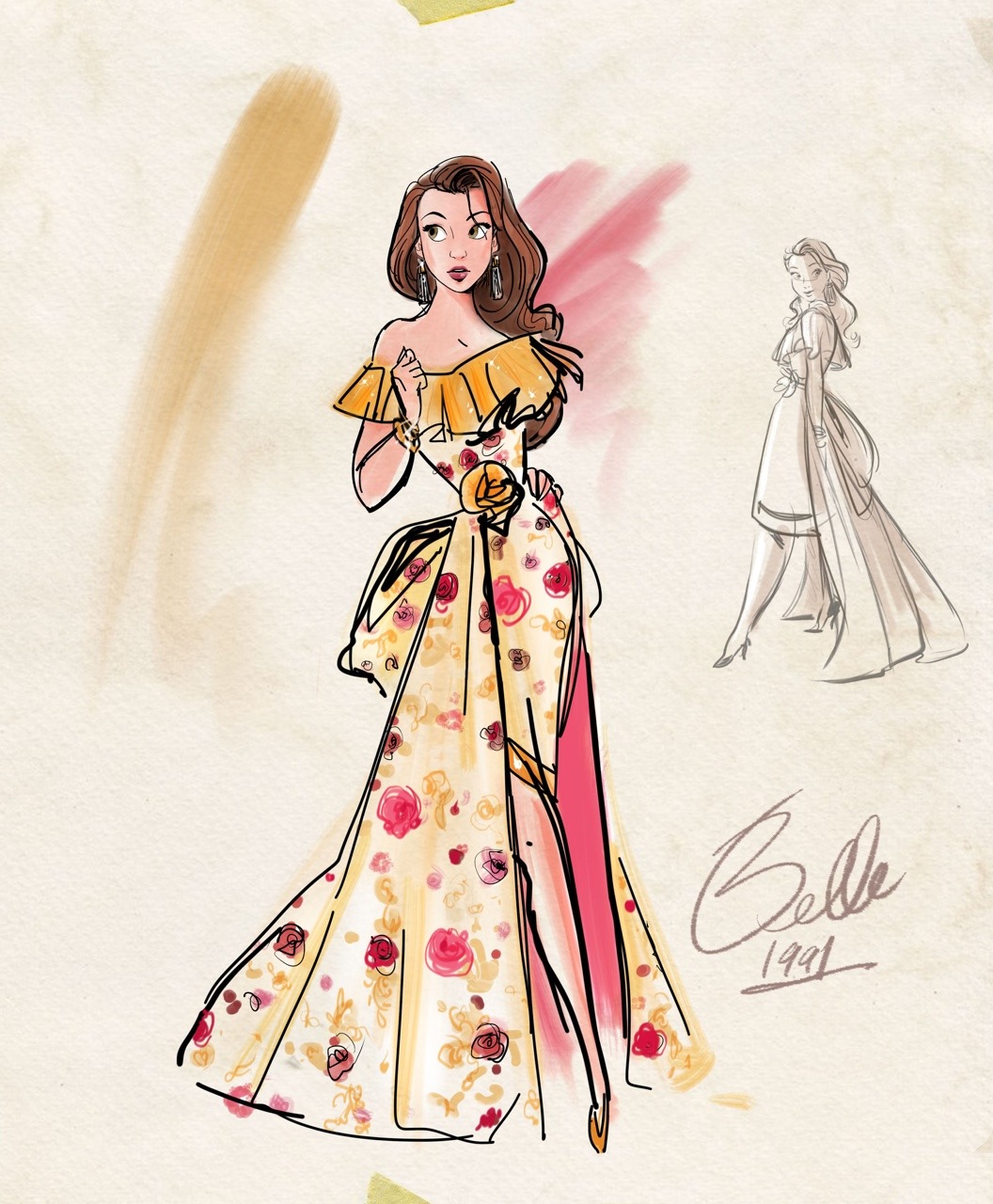
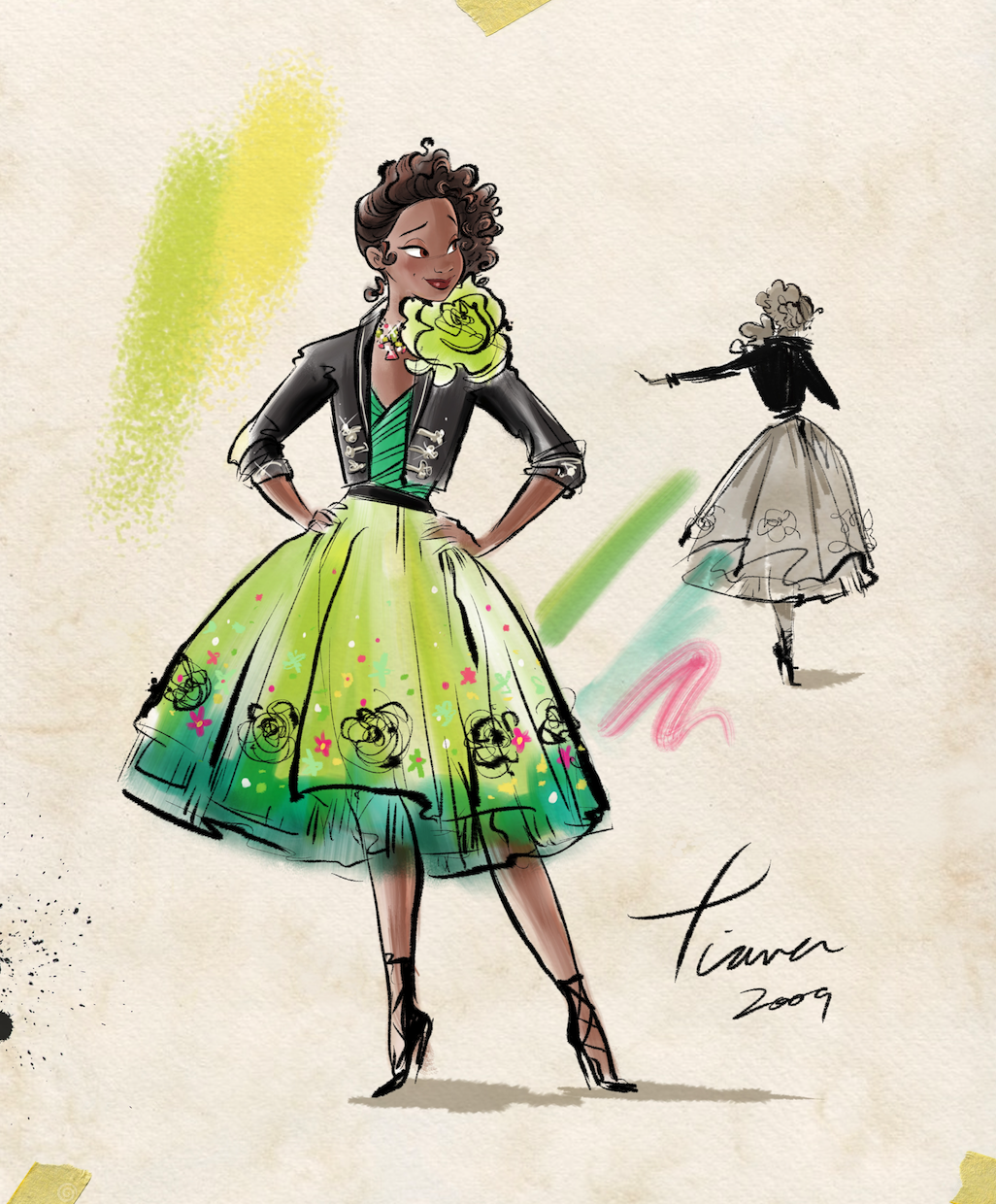
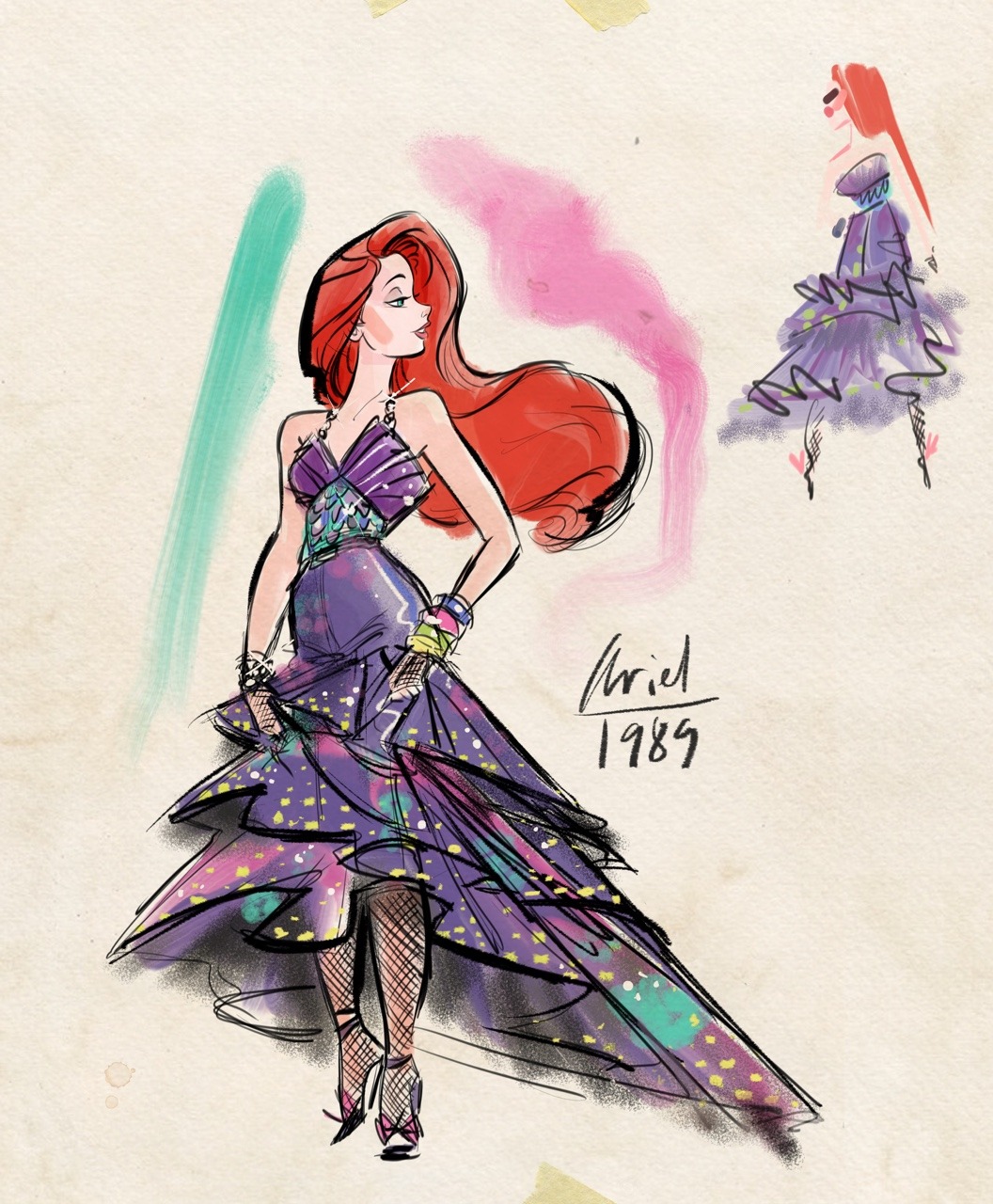
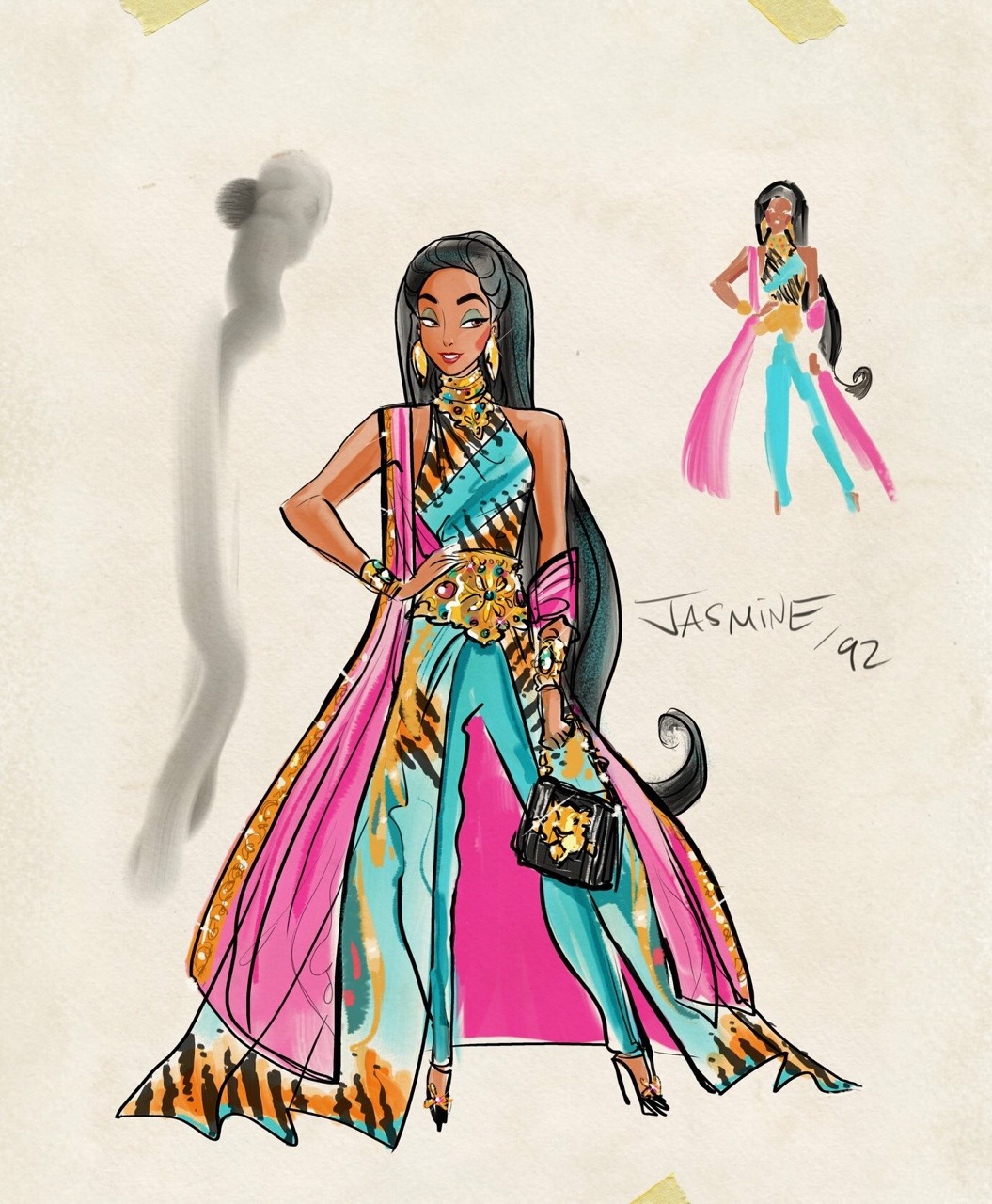
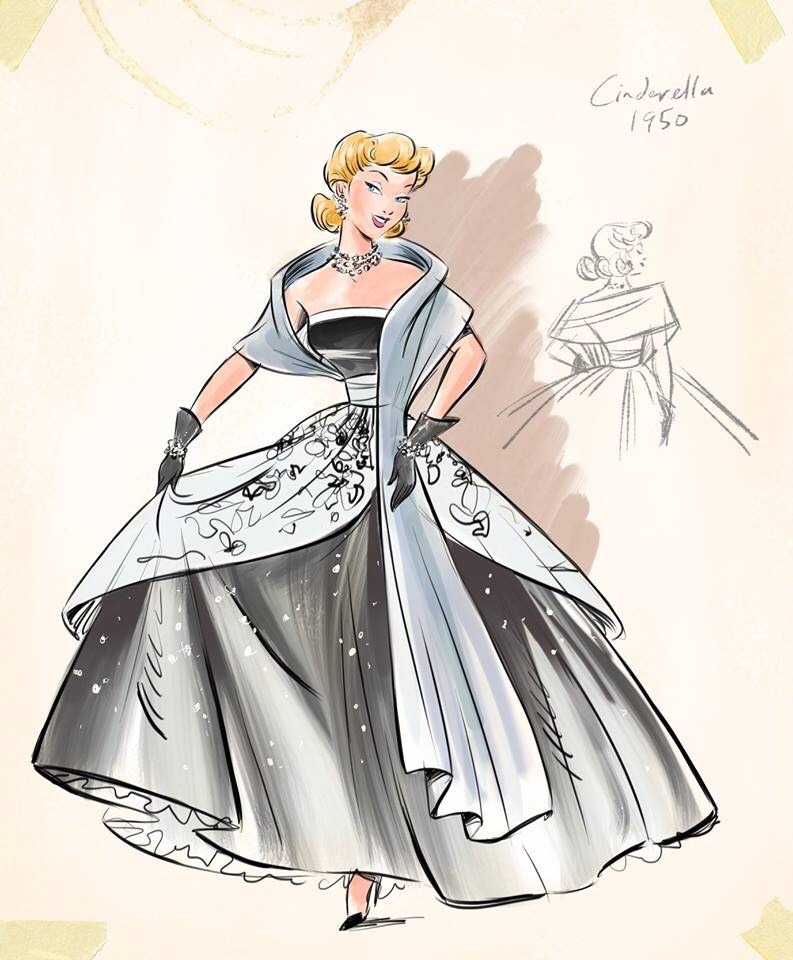
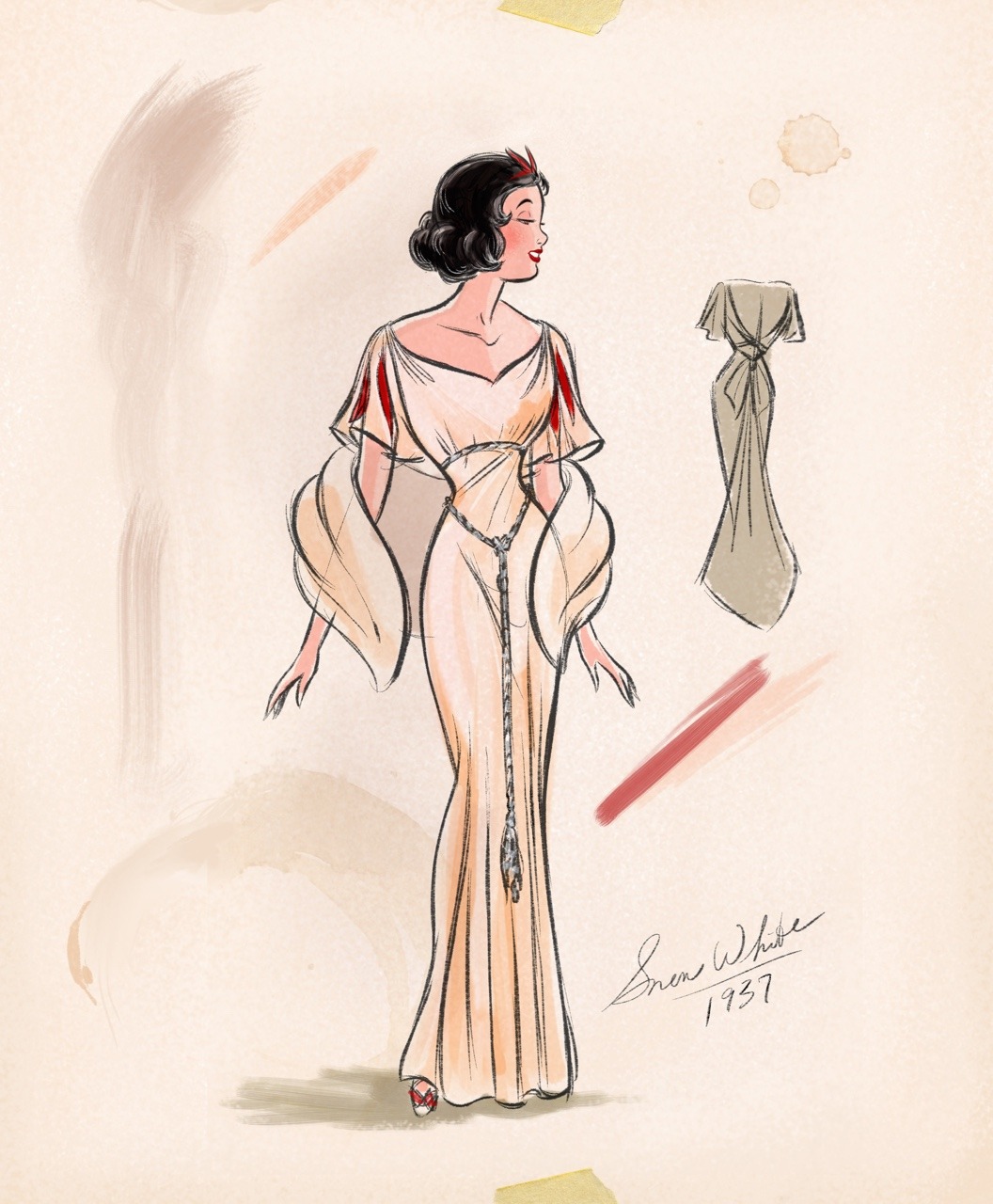
Princess mega post! I absolutely had a blast creating this artwork for the Disney Designer Collection – Premiere Series. Now that the madness has passed, who was your favorite?
My 4 year old nephew loves to paint his nails. Any time he sees someone wear nail polish he asks if he can have some too. The most difficult part is getting him to decide what color, because he he wants all of them.
Nail polish is for everyone.
Update!!
The kid’s favorite football player responded with support.




 Consulting Witch